Vanderbilt
Defunct
“I’m going, Fred,” said Amory slowly. His knees were shaking under him, and he knew that if he stayed another minute on this street he would keel over where he stood. “I’ll be at the Vanderbilt for lunch.”
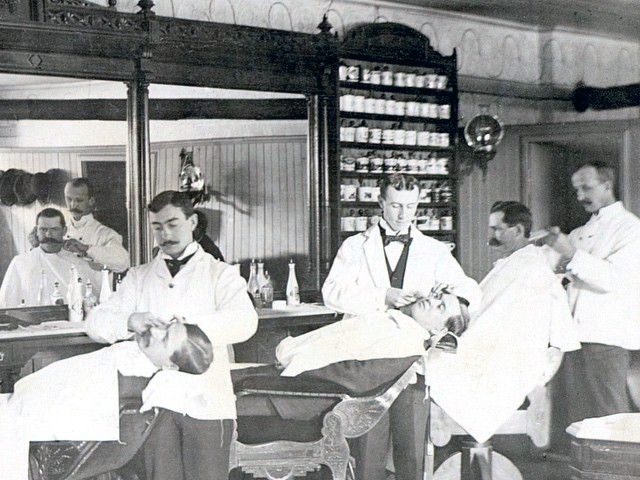
And he strode rapidly off and turned over to Fifth Avenue. Back at the hotel he felt better, but as he walked into the barber-shop, intending to get a head massage, the smell of the powders and tonics brought back Axia’s sidelong, suggestive smile, and he left hurriedly. In the doorway of his room a sudden blackness flowed around him like a divided river.
This side of Paradise
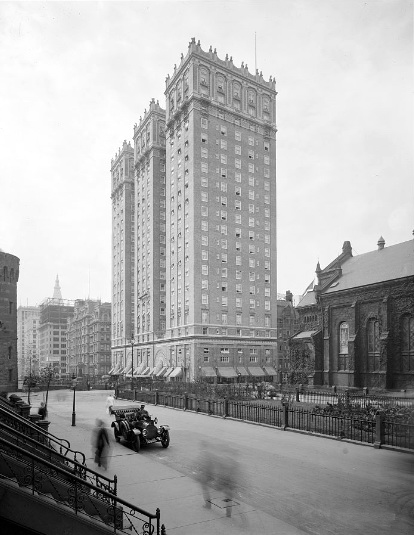
HISTORICAL BACKGROUND
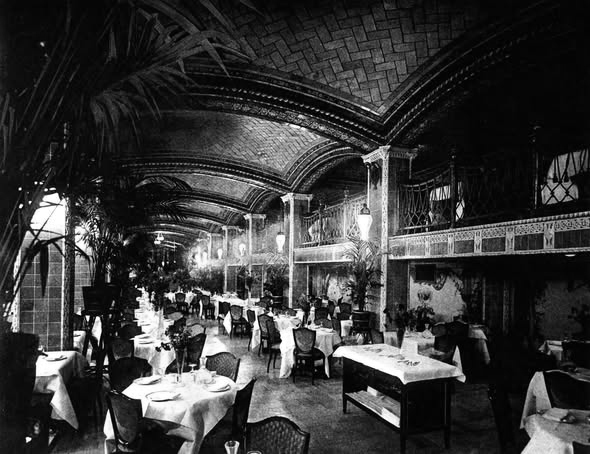
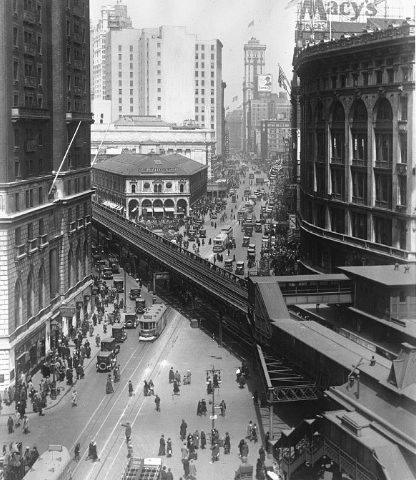
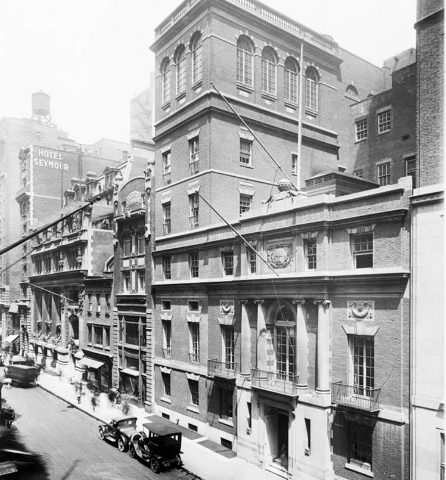
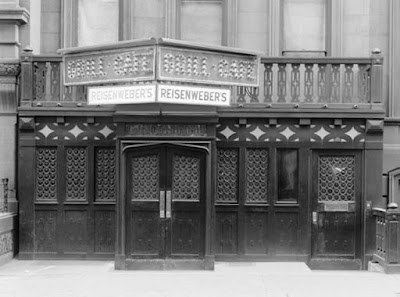
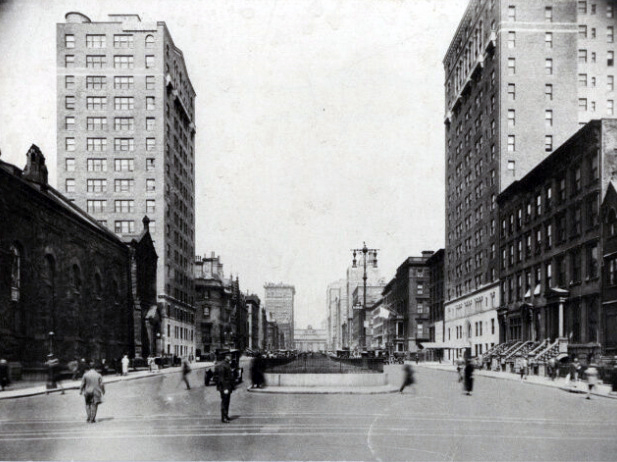
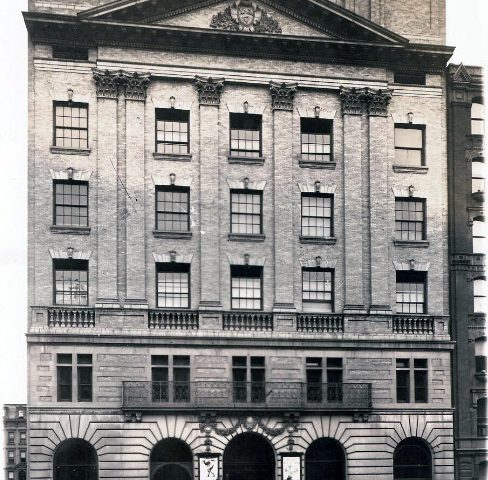
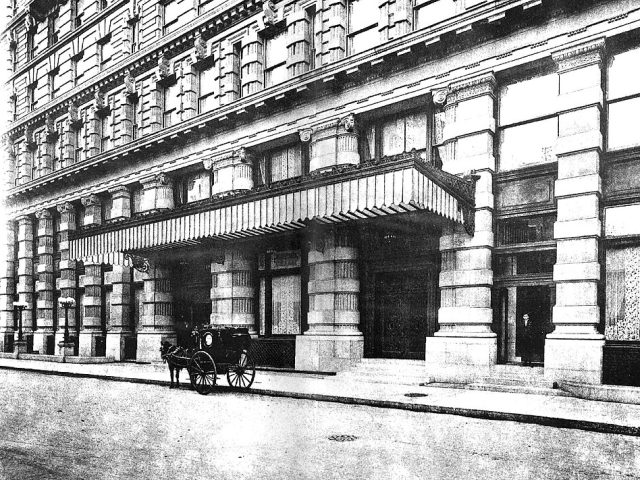
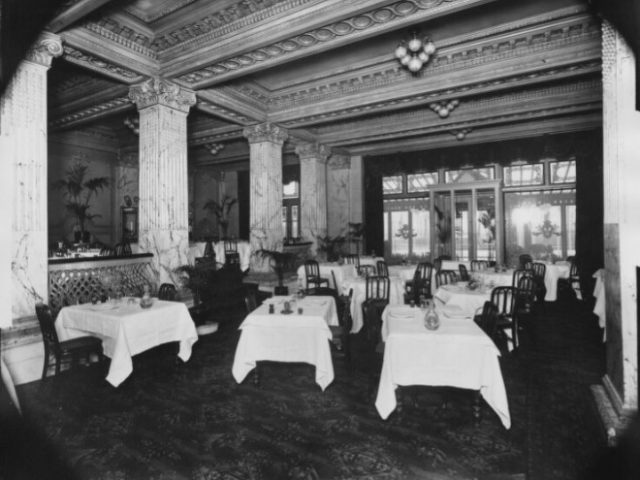
Opened on 10 January 1912, it was built for Alfred Gwynne Vanderbilt and designed by Warren and Wetmore. The hotel had twenty-two storeys and nearly six hundred rooms and, at the top, included a private penthouse for Vanderbilt and his family. Its interiors were conceived with refined taste, with an Adam-inspired lobby and a basement grill room known as the Della Robbia Room, decorated with tile by the Guastavino Fireproof Construction Company, part of which still survives. In the 1920s, the Vanderbilt became a meeting place for companies linked to textiles and women’s fashion, and in 1925 it was acquired by a consortium. After several ownership phases, the hotel closed in 1965, and between 1965 and 1967 a renovation transformed the building: the upper floors became residential, while the lower levels and basements were devoted to commercial spaces.